Best Sport Water Bottles
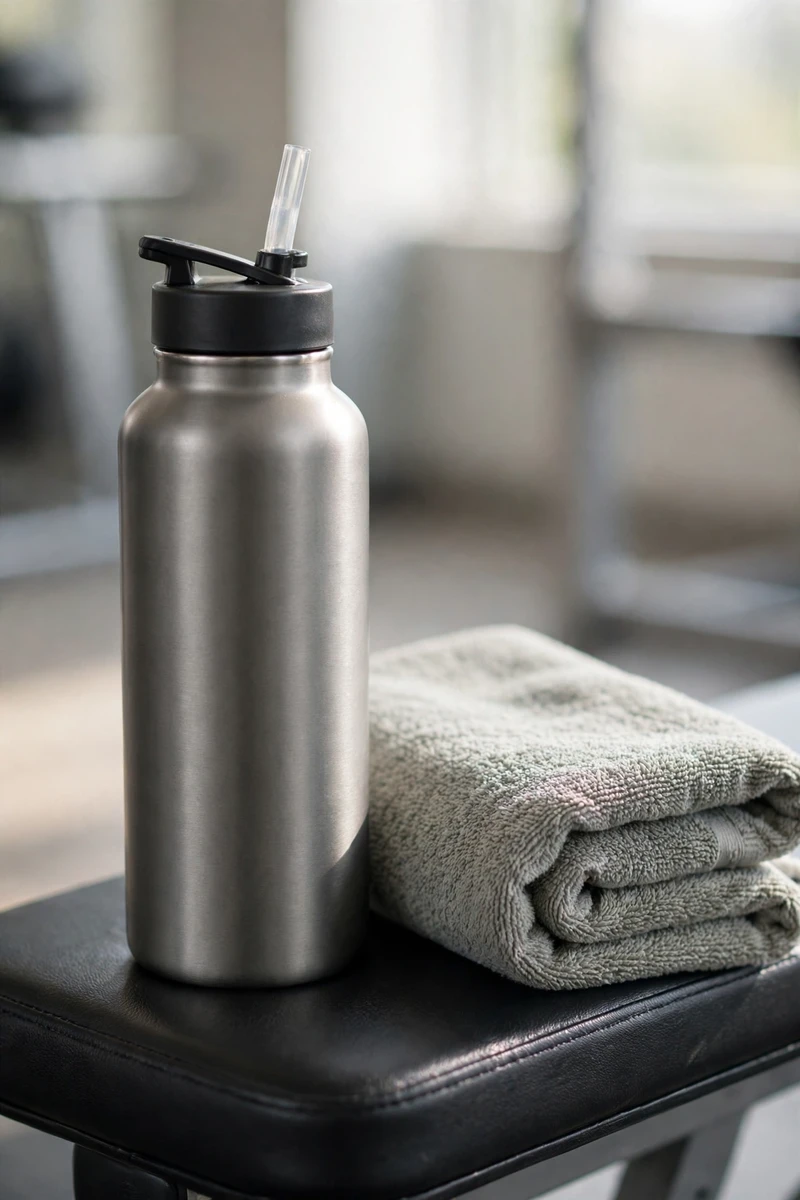
The best sport water bottles are the ones you actually reach for every day, not the ones that look good on a shelf and then sit in a cupboard. A good bottle fits your hand, fits your bag, opens easily when you are out of breath, and keeps your drink the way you like it through a whole workout. A bad one leaks into your gym bag, tastes stale after a week, or is so heavy that you leave it at home. This guide explains how to choose the best sport water bottles for the gym, running, hiking, and everyday use, what each material and lid style does well, and how to keep a bottle clean so it lasts. You will not find a ranked list of products here, because the right bottle depends on how you move, what you drink, and how much you want to carry.
Quick Answer: Which Sport Water Bottle Should You Choose?
- Best choice for the gym: an insulated stainless steel bottle with a straw or chug lid, in a size you can hold with one hand. It keeps water cold through a long session and survives being knocked over.
- Best choice for running: a lightweight bottle with a secure loop or a soft flask that fits in a running belt, so your hands stay free.
- Best choice for hiking: a larger insulated bottle with a carry handle and a wide mouth for adding ice.
- Best choice for everyday use: a mid-size bottle with a simple push-button lid that you can open with one hand at your desk or in the car.
- Best choice for hot drinks: an insulated bottle or tumbler with a fully sealing lid, used only for drinks it is designed to hold.
What Makes a Sport Water Bottle Different?
A sport water bottle is built for movement. Regular bottles are made for a desk or a car cup holder. Sport bottles add features that matter when you are active: lids you can open with one hand, loops or handles for carrying, shapes that fit in a bike cage or a gym bag side pocket, and materials that handle being dropped. The word sport describes how the bottle is used, not a specific brand or shape. Some sport bottles are simple plastic bottles with a flip-top lid. Others are insulated steel bottles that keep drinks cold for hours. The right one for you depends on your routine, and this guide walks through each choice in turn.
Best Sport Water Bottles by Activity
For the Gym
At the gym, you want a bottle that is easy to drink from between sets and hard to knock over. A wide, stable base helps, and a straw or chug lid lets you take a quick sip without unscrewing a cap. Insulation matters here because gym floors are warm and a session can run long. Size is a balance: a very large bottle means fewer trips to the water fountain, but it is heavier to carry and may not fit in the bottle holder on a treadmill or bike. A mid-size bottle that you refill once is often the most practical choice.
For Running and Cardio
Running changes the priorities completely. Weight and hands-free carrying matter more than insulation. A heavy steel bottle bouncing in your hand will slow you down and tire your arm. Look for a lightweight bottle with a hand strap, a finger loop, or a shape that slides into a running belt or vest pocket. Soft flasks that shrink as you drink are popular with runners for exactly this reason, because they do not slosh around when half empty. A straw lid or a bite valve helps because you can drink without breaking stride. If your runs are short, a small bottle is enough. For long runs, plan where you can refill rather than carrying a full day of water with you.
For Hiking and Outdoor Training
On the trail, capacity and durability come first. You may be hours from a refill, so a larger bottle makes sense even though it weighs more. A wide mouth is useful for adding ice cubes and for filling from a stream-side filter or a tap. A carry handle or a loop lets you clip the bottle to a pack with a carabiner. Insulation is worth having on hot days, when a bottle left in the sun warms up fast. A sturdy steel bottle handles being dropped on rocks better than glass, and a plastic bottle handles it better than a thin metal one. Choose the bottle for the longest outing you do regularly, not the shortest.
For Everyday and Desk Use
A bottle you carry all day has a different job. It needs to sit neatly on a desk, fit in a car cup holder, and open easily with one hand while you are doing something else. A push-button lid or a flip-top spout works well here. Insulation is nice but not essential if you refill often. What matters most is that the bottle is comfortable to hold, easy to clean, and leakproof enough to toss in a tote bag next to a laptop.
For Hot and Cold Drinks
Some bottles handle both hot and cold drinks, and some do not. Insulated steel bottles with a fully sealing lid are the usual choice for carrying coffee or tea as well as cold water. Plastic bottles and glass bottles are generally meant for cold drinks only, and hot liquid can warp a plastic lid or make a glass bottle uncomfortable to hold. If you want one bottle for everything, check that the lid seals completely and that the bottle is rated for hot liquids by its maker. A tumbler with a straw lid suits iced drinks but can spill if it tips over in a bag.
For Kids and School
Children need bottles that are light, easy to open, and hard to break. A smaller size fits small hands and a school bag side pocket. A flip-top spout or a straw lid is easier for a child to use than a screw cap, and a locking lid prevents spills inside a backpack. Avoid glass for school bottles. A simple plastic or steel bottle in a bright color helps a child keep track of it, and a lid that comes apart is easier to wash.
Best Sport Water Bottles Compared
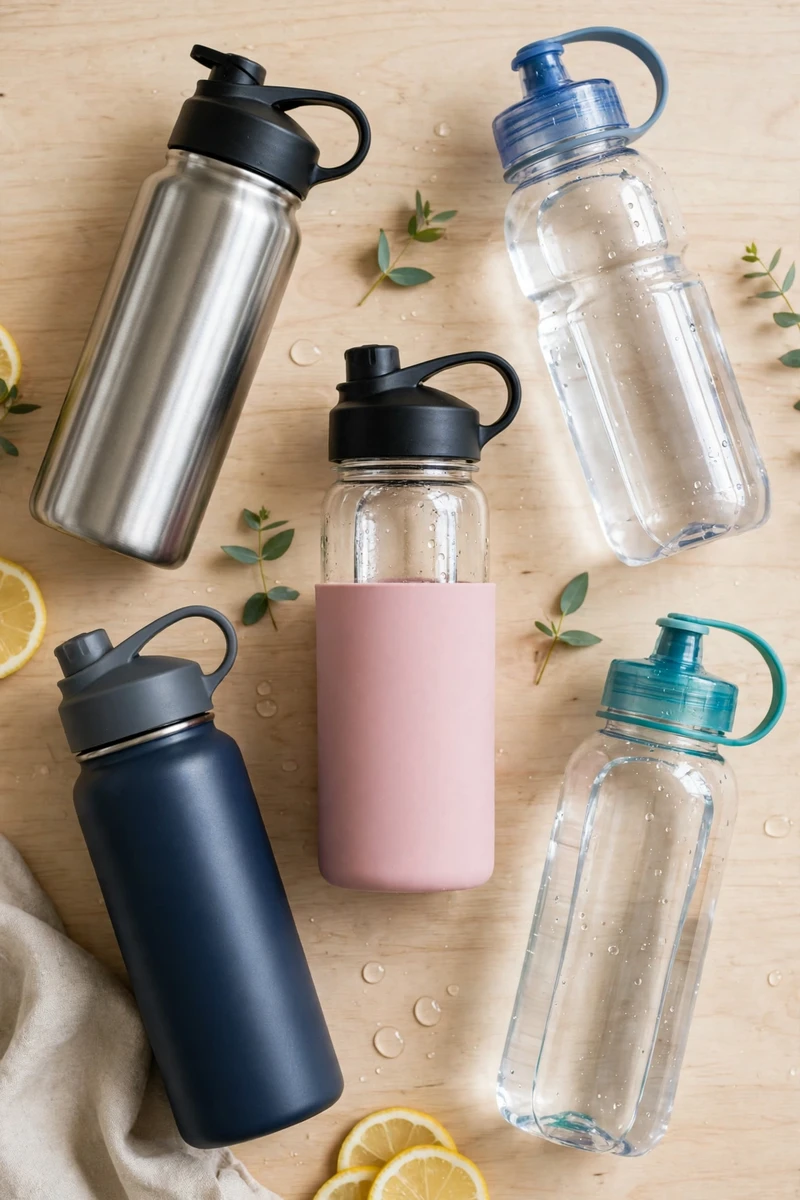
| Bottle Type | Best For | What to Look For | Watch Out For |
|---|---|---|---|
| Insulated stainless steel | Gym, hiking, hot and cold drinks | Double-wall insulation, wide mouth, sturdy lid | Heavier than plastic, can dent if dropped |
| BPA-free plastic or Tritan | Running, kids, everyday carry | Lightweight body, flip-top or straw lid, clear measurement marks | No insulation, can hold smells if not cleaned |
| Glass with silicone sleeve | Desk use, clean taste | Pure taste, sleeve for grip and protection | Heavy, breakable, not for rough workouts |
| Soft flask | Running, races, light packing | Collapses as it empties, fits belts and vests | Small capacity, harder to clean inside |
| Tumbler with straw lid | Iced drinks, desk, car | Fits cup holders, easy sipping, stable base | Can spill if tipped, not fully sealed |
How to Choose the Right Bottle
Start with how you will use it most. A bottle for the gym and a bottle for a trail run are different tools, and one bottle rarely does both jobs perfectly. Once you know the main use, work through the features in this order.
Material comes first. Stainless steel is durable and insulates well, which makes it the most popular choice for sport bottles. BPA-free plastic and Tritan are lighter and cheaper, and a clear body lets you see how much you have left. Glass tastes the cleanest, but it is heavy and breakable, so it suits desk use more than workouts. There is no single best material, only the one that fits your routine.
Insulation comes next. Double-wall vacuum insulation keeps cold drinks cold and hot drinks hot for much longer than a single wall. If you work out in a warm room or outdoors in summer, insulation is worth it. If you refill every hour anyway, a lighter single-wall bottle will do.
Then look at the lid. The lid is the part you touch every time you drink, and it is the part that fails first. A straw lid is fast and easy during cardio. A chug lid lets you drink a lot at once. A flip-top spout is a good middle ground. A screw cap seals best but is slow. Whatever lid you choose, make sure it locks or seals well enough that the bottle can lie on its side in a bag without leaking.
Size follows from your routine. A bottle you carry all day should hold enough that you are not refilling every hour, but not so much that it feels heavy. A bottle for a short gym session can be smaller. A bottle for a long hike should be larger. Think about where it will live: a car cup holder, a bike cage, a backpack side pocket. Measure that space before you buy, because a bottle that does not fit where you need it will not get used.
Finally, check cleaning. A bottle with a wide mouth is much easier to wash than a narrow one. Lids that come apart into a few pieces are easier to keep fresh than lids with hidden crevices. If a bottle is dishwasher safe, that makes daily care simpler. If it is not, make sure you can reach inside with a bottle brush.
How to Clean and Care for Your Bottle
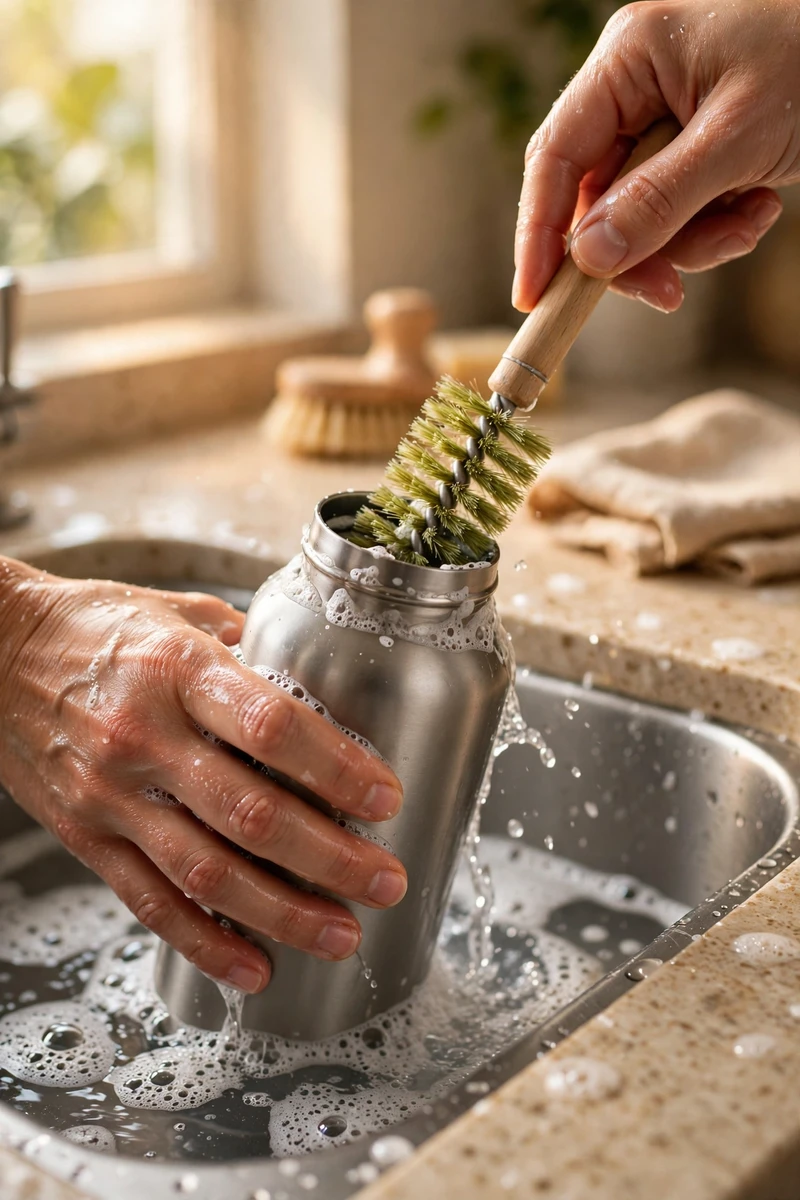
A sport water bottle needs regular cleaning, because warm, damp bottles grow smells fast. Rinse it after every use, even if you only drank water. Once a day, wash it with warm water and dish soap, using a bottle brush to reach the bottom and a small brush or straw cleaner for the lid and straw. Let it dry completely with the lid off, standing upside down if you can, so no moisture stays trapped inside.
Once a week, give it a deeper clean. Fill it with warm water and a spoonful of baking soda, let it sit for a while, then scrub and rinse well. For stubborn smells, a diluted white vinegar soak can help, followed by a thorough rinse so no vinegar taste remains. Never put a bottle in the dishwasher unless it is marked dishwasher safe, because heat can warp lids and damage seals.
Replace a bottle when the seal no longer holds, the lid cracks, or a smell survives a deep clean. A bottle that leaks into your bag has already told you it is done. Keep the lid and the seal clean, because a worn seal is the most common reason a good bottle starts leaking.
Common Mistakes to Avoid with Sport Water Bottles
The most common mistake is buying the biggest bottle you can find. A very large bottle is heavy when full, hard to hold with one hand, and often does not fit in a cup holder or a bag pocket. Choose the size for your usual routine, not for the longest day you can imagine.
The second mistake is ignoring the lid. People compare materials and colors and forget that the lid decides whether the bottle leaks, whether you can drink with one hand, and whether it is easy to clean. Test the lid before you commit to a bottle.
The third mistake is never cleaning the straw or the spout. Water alone does not keep a bottle fresh. The lid and straw collect residue that a quick rinse will not remove, and that is where bad smells start. A small straw brush takes less than a minute and makes a real difference.
The fourth mistake is putting hot drinks in a bottle made for cold drinks. Plastic bottles and some glass bottles are not made for hot liquid. Hot water can warp a lid, loosen a seal, or make the bottle too hot to hold. Use a bottle rated for hot drinks if you want to carry coffee or tea.
The fifth mistake is choosing looks over fit. A bottle that fits your hand, your car, and your routine is what you will actually use, so pick the fit first and the color second.
Frequently Asked Questions
What is the best sport water bottle for the gym?
An insulated stainless steel bottle with a straw or chug lid is a good fit for most gym routines. It keeps water cold through a long session, it is easy to drink from between sets, and it survives being knocked over. Choose a size you can hold comfortably with one hand.
How do I choose the right size water bottle?
Think about your longest regular outing and where the bottle has to fit. A mid-size bottle suits most gym sessions and desk days. A larger bottle suits long hikes. A smaller, lighter bottle suits running. Check that it fits your car cup holder, bike cage, or bag pocket before you decide.
Can I put hot drinks in a sport water bottle?
Only if the bottle is made for hot liquids. Insulated steel bottles with a fully sealing lid are usually fine for coffee or tea. Plastic bottles and glass bottles are generally meant for cold drinks only, and hot liquid can warp a lid or make the bottle hard to hold.
How do I keep my water bottle from smelling?
Rinse it after every use and wash it daily with warm water and dish soap, including the lid and straw. Let it dry fully with the lid off. Once a week, soak it with warm water and baking soda, then scrub and rinse. A smell that survives a deep clean means it is time for a new bottle.
Are plastic sport water bottles safe?
Look for bottles made from BPA-free plastic or Tritan and wash them regularly. Plastic bottles are light and practical for running and everyday carry. If you prefer to avoid plastic entirely, stainless steel or glass are good alternatives, and both are easy to find.
Conclusion
The best sport water bottles are not the most expensive ones or the ones with the most features. They are the ones that fit your routine: the right size for your workout, a lid you can open with one hand, a material you are happy to carry, and a shape that fits where you need it to go. Start with how you will use the bottle most, then choose the material, the insulation, and the lid to match. Clean it daily and let it dry, and it will last a long time. Pick the bottle you will actually reach for every day, because the best bottle is the one that helps you drink more water.
